
As America marks its 250th anniversary, Red Ledges reflects on a local story of legacy, land, and the generations who have shaped Heber Valley. Long before Red Ledges became a private mountain community, this land was home to the families who first settled the valley, worked the land, and built their lives here.
Their connection to this place inspired a vision for Red Ledges that extends beyond beautiful homes and breathtaking scenery. It shaped a community designed to bring people together, encourage meaningful connection, and create opportunities to spend more time where it matters most.
Today, as Red Ledges honors America’s 250th anniversary with a commemorative coin, this is also an opportunity to look back at the people and milestones that helped shape this community.


1852 | The Jordan Family’s Story Begins in Heber Valley
In 1852, John Jordan II—an English immigrant who came west with the pioneers—arrived in Utah. A short time later, he was sent from Salt Lake City to explore Heber Valley and determine whether the area was habitable. After seeing its promise, the Jordan family settled south of what is now the Jordanelle Dam.
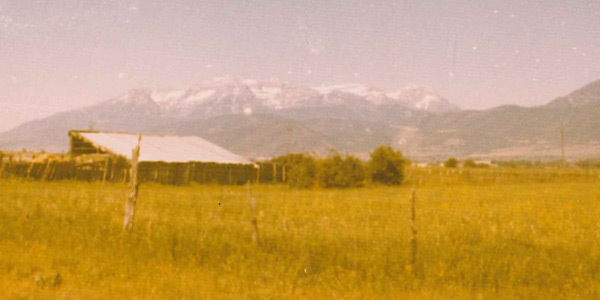
Over the generations, the Jordan family became part of the valley’s history. They grew hay, raised livestock, and later operated fishing stores and a community dance hall. That dance hall left a lasting mark on the region: originally called “Jordan L,” its name was printed in the Wasatch Wave as “Jordanelle.” The name became part of the valley’s identity and is still recognized throughout the area today.
1870 | Another Heber Valley Legacy Takes Root
By 1870, the Christensen family—relatives of the Jordan family—had also established roots in Heber Valley. Their land would eventually become an important part of Red Ledges—roughly half of the community sits on acreage once tied to the Christensen family.
Together, the Jordan and Christensen families remind us that Red Ledges was not created on anonymous ground. It grew from land shaped by generations of families who lived here long before the community itself was imagined.
1979 | A Vision for the Land Begins to Take Shape
In 1979, Tony Burns acquired the first parcel of what would eventually become Red Ledges. For Tony and Joyce Jordan Burns (great–granddaughter of John Jordan II), the land represented both family history and future possibility: a chance to preserve a place connected to Joyce’s roots while imagining how it could become a community of its own.

Over time, more land was brought together, and that vision became clearer. Red Ledges is more than a development—it is a mountain community shaped by the history of the valley and designed for the families building their lives here.
2006 | A Longstanding Friendship Becomes a Founding Partnership
In 2006, Nolan Archibald joined Tony Burns as a founding partner of Red Ledges, helping move the vision from land assembly to community creation. Together, they saw the opportunity to build more than homesites and homes. Their aim was to create a mountain community centered on connection, recreation, and a strong sense of place.
That vision was reinforced by the partners who helped establish Red Ledges’ early amenities.
- Jack Nicklaus designed the Signature Championship Golf Course and Golf Park.
- Jim McLean brought one of the country’s premier golf schools.
- Cliff Drysdale helped establish a year-round tennis program.
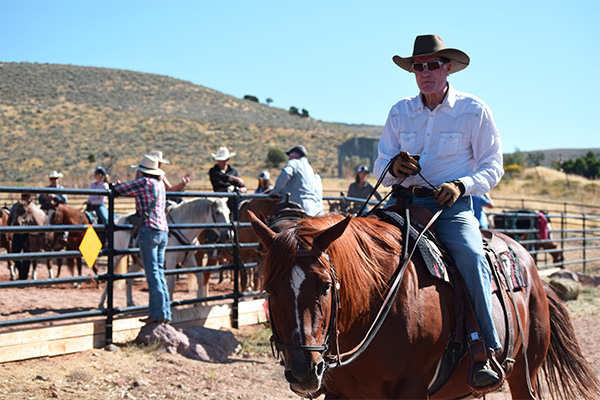
- Brenda Metzger opened KB HORSES, Red Ledges’ equestrian center.
Together, those amenities helped turn Red Ledges into more than a destination. They created the setting for a lifestyle—one built around golf, tennis, horses, outdoor adventure, and the kind of shared experiences that bring people together year after year.
2026 | The Story Continues

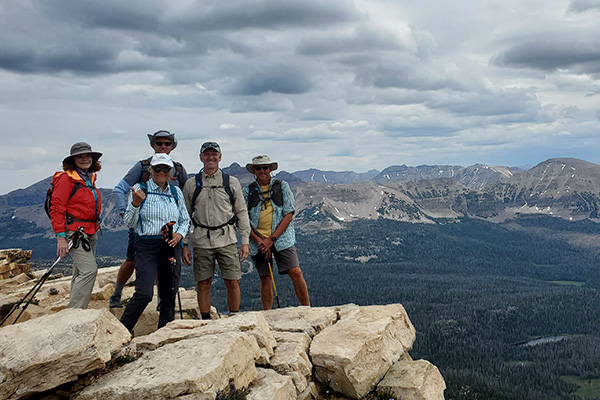
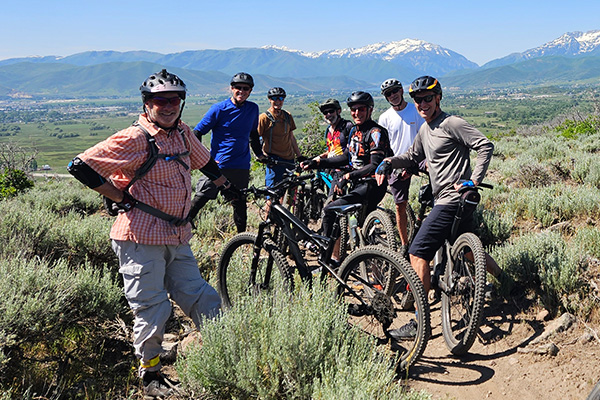
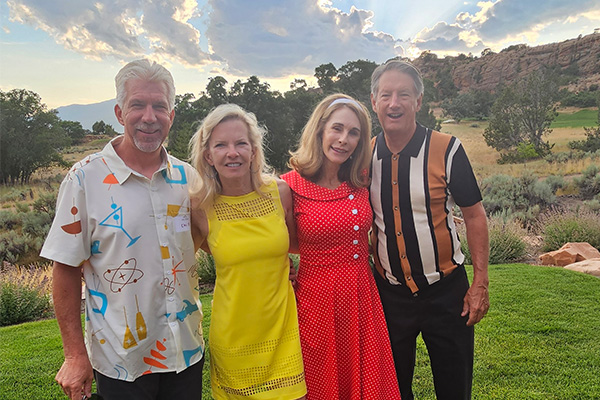







Today, Red Ledges stands on a foundation shaped by pioneer families, long-term vision, and a deep appreciation for the land itself. But its story is still being written by the members who call it home.
With every round of golf, ski weekend, family dinner, and summer gathering, members add their own traditions and memories to the history of this place. In that way, the story of Red Ledges is not only about the past—it is about the legacy members continue to build here today.